Key Takeaways
- Online banking allows customers to manage their finances using digital tools that provide speed, security, and 24/7 flexibility.
- Core benefits include real-time account visibility, mobile access, automated payments, secure transactions, and faster money movement.
- Modern online banking extends beyond convenience, offering digital features that help individuals and businesses make better financial decisions.
- Customers gain increased control through alerts, budgeting tools, and mobile features, though potential drawbacks include limited branch access.
- Understanding how online-only banks compare to traditional banks helps consumers choose the model that fits their needs.
- The best online banking experience blends convenience, security, and digital tools that support smarter financial habits.
What Is Online Banking?
Online banking refers to managing financial accounts through digital platforms, typically through a website or mobile app. Instead of visiting a branch, customers can complete everyday tasks from anywhere, at any time. Checking balances, reviewing transactions, depositing checks, or paying bills can all be done with just a few taps.
Over time, online banking has evolved into a full digital ecosystem. Beyond completing daily tasks, customers can now budget, track spending, monitor accounts in real time, and access a wide range of personal and business financial tools. This shift has made banking more flexible, more secure, and easier to manage, whether you’re handling everyday household expenses or overseeing multiple business accounts.
How Online Banking Works
Online banking relies on secure mobile platforms, encrypted digital systems, and cloud technology to give customers fast, reliable access to their accounts. Through these tools, users can perform tasks such as transferring funds, setting up automatic payments, depositing checks, and viewing statements.
Many banks also offer interactive dashboards that categorize spending, highlight patterns, and provide alerts for key account activity. Features like mobile check deposit, biometric login, and digital wallet compatibility make it simple to manage money on the go. Together, these tools create a streamlined experience that offers both convenience and stronger financial control.
Key Benefits of Online Banking
Online banking offers a wide range of advantages for individuals and businesses. It saves time, increases visibility, enhances security, and provides flexible tools that support long-term financial confidence.
24/7 Access and On-the-Go Banking
Perhaps the most well-known benefit of online banking is the ability to access your accounts anytime. Whether you’re traveling, working nontraditional hours, or managing finances across time zones, online banking ensures your accounts are always within reach.
With mobile apps, customers can review balances, send payments, or make transfers without needing to wait for a branch to open. This flexibility is especially valuable during urgent situations, like scheduling a bill payment after-hours or checking transactions while away from home.
Advanced Security That Protects Your Accounts
While digital banking may seem risky at first, online banking typically includes advanced cybersecurity measures. These protections are designed to safeguard your information and help you act quickly if something appears unusual.
Common digital security features include:
- Encrypted data protection
- Multi-factor and biometric authentication
- Card controls that let you lock or unlock your card instantly
- Real-time fraud and suspicious activity alerts
These tools add multiple layers of protection, giving customers more ways to secure their accounts and respond to potential threats.
Real-Time Account Visibility and Control
Online banking gives customers instant access to their financial picture. You can see balances, pending transactions, and deposits as they happen—information that once required waiting for a paper statement.
Real-time visibility supports responsible money management by helping customers:
- Avoid overdrafts
- Monitor spending patterns
- Plan for upcoming payments
- Track business or household budgets
Download or Print Statements for Tax or Personal Records
Digital statements offer easy access to past records, making tax preparation and financial documentation more efficient. This also reduces paper clutter and keeps important information organized.
Faster Payments, Transfers, and Money Movement
Online banking helps customers move money faster and more efficiently. Customers can utilize digital tools such as ACH transfers, internal transfers, and scheduled bill payments to stay on top of obligations.
Recurring bill pay is especially helpful for customers who want to maintain consistent financial habits or avoid late fees.
Pay Bills Automatically Each Month with Easy-to-Set-Up Auto Payment
Automating payments simplifies monthly routines, prevents missed due dates, and supports smoother budgeting overall.
These features benefit anyone managing multiple accounts, whether you’re a student, a growing family, or a business owner balancing multiple expenses.
Mobile Banking Features That Simplify Daily Finances
Many customers now rely more on mobile banking than desktop banking because of the ease and speed it provides. Modern apps make it possible to complete essential tasks from anywhere.
Common mobile features include:
- Mobile check deposit
- Card lock/unlock options
- Travel notifications
- Spending summaries and budgeting tools
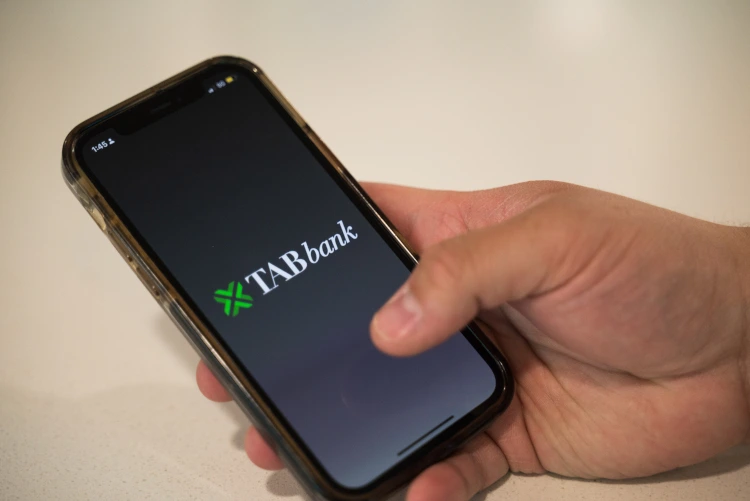
TAB Bank customers, for example, can use the My Cards Hub to manage card security, limits, and travel activity directly from their smartphone.
Alerts, Notifications, and Automation Tools
Online banking helps customers stay informed without needing to log in constantly. Alerts for low balances, deposits, upcoming due dates, or large transactions help users stay proactive rather than reactive.
Automated tools like recurring bill pay and scheduled transfers further reduce manual tasks and make it easier to build healthy financial habits.
Potential Drawbacks of Online Banking (and How to Navigate Them)
Online banking is designed to make life easier, but it’s important to understand a few limitations:
A Learning Curve for New Digital Users
Individuals who are new to mobile apps or online platforms may need time to adjust. Clear navigation, customer support channels, and step-by-step guides help ease the transition.
Dependence on Internet or Mobile Connectivity
Accessing online banking requires a secure connection. Keeping devices updated and using trusted networks helps ensure accounts stay protected and available when needed.
Loss or Forgotten User Credentials
Losing or forgetting your username and password can be a barrier to accessing your online banking account. In cases like these, you may need to reset your password via email or contact the bank’s customer support team for assistance regaining account access.
Conclusion
Online banking offers convenience, security, and real-time visibility, making it easier than ever to stay organized, manage monthly obligations, and monitor financial activity. These tools help reduce manual work and strengthen financial habits, whether you’re tracking personal expenses or managing business operations.
While online banking does include some trade-offs, many of these challenges can be managed with mobile access, secure digital practices, and the right support.
TAB Bank offers a fully digital banking experience designed to give customers more control, more convenience, and a simpler way to manage their money from anywhere. With secure mobile tools, real-time account insights, and a digital-first model that doesn’t rely on traditional branches, TAB Bank gives customers a modern and dependable way to bank with confidence. Ready to experience digital banking made simple?