Community banks offer a local alternative to large national institutions. Instead of operating expansive branch networks or answering to shareholders, these banks focus on serving the people and businesses within their geographic area. Their strength lies in relationship banking, where familiarity with your financial history, family, or small business can support more personalized guidance and, in some cases, faster lending decisions.
If you’re exploring a different kind of banking experience, one rooted in local service, community investment, and expert support, understanding what community banks offer is a great place to start. This guide breaks down how they work, the benefits and tradeoffs, and how digitally focused banks like TAB blend modern convenience with community-driven values.
Key Characteristics of a Community Bank
Locally Focused Ownership and Operation
Community banks are typically privately owned or publicly traded institutions with a local or regional focus. Their business models are built around serving specific geographic areas rather than competing across national or global markets.
Relationship Banking
One of the defining features of community banks is their emphasis on relationship banking. Decisions are often made by local employees who understand the regional economy and can offer personalized support. Customers benefit from working directly with people who live and work in the same community.
Community Reinvestment
Deposits held at community banks are frequently reinvested into the local economy through:
- Small business loans
- Local development projects
- Community programs
- Residential lending
This reinvestment helps create jobs, drive economic growth, and support long-term community stability.
Flexibility and Local Decision-Making
Because decisions are made closer to the customer, community banks often offer greater flexibility in lending, fees, and account structures. Local decision-making allows them to respond quickly and tailor solutions to unique customer situations.
How Community Banks Differ from Large Banks
Size and Scope
Community banks operate on a smaller scale, often with fewer branches and a more concentrated service area. Large national banks, in contrast, have broader networks, extensive ATM access, and nationwide recognition.
Customer Service
Community banks tend to deliver personalized and accessible customer service, while large banks rely more on standardized processes. Customers often appreciate having direct contact with decision-makers at community banks.
Product Variety
Large banks typically offer a broader range of financial services, including internationally-accessible accounts, advanced digital tools, and specialty lending programs. Community banks focus on the financial needs within their region, including checking, savings, mortgages, and small business lending.
Decision-Making Speed
Because of their smaller structure, community banks can offer faster and more flexible lending decisions. Their understanding of the local economy also informs more personalized financial solutions.
TAB Bank: An Online Bank with Community Values
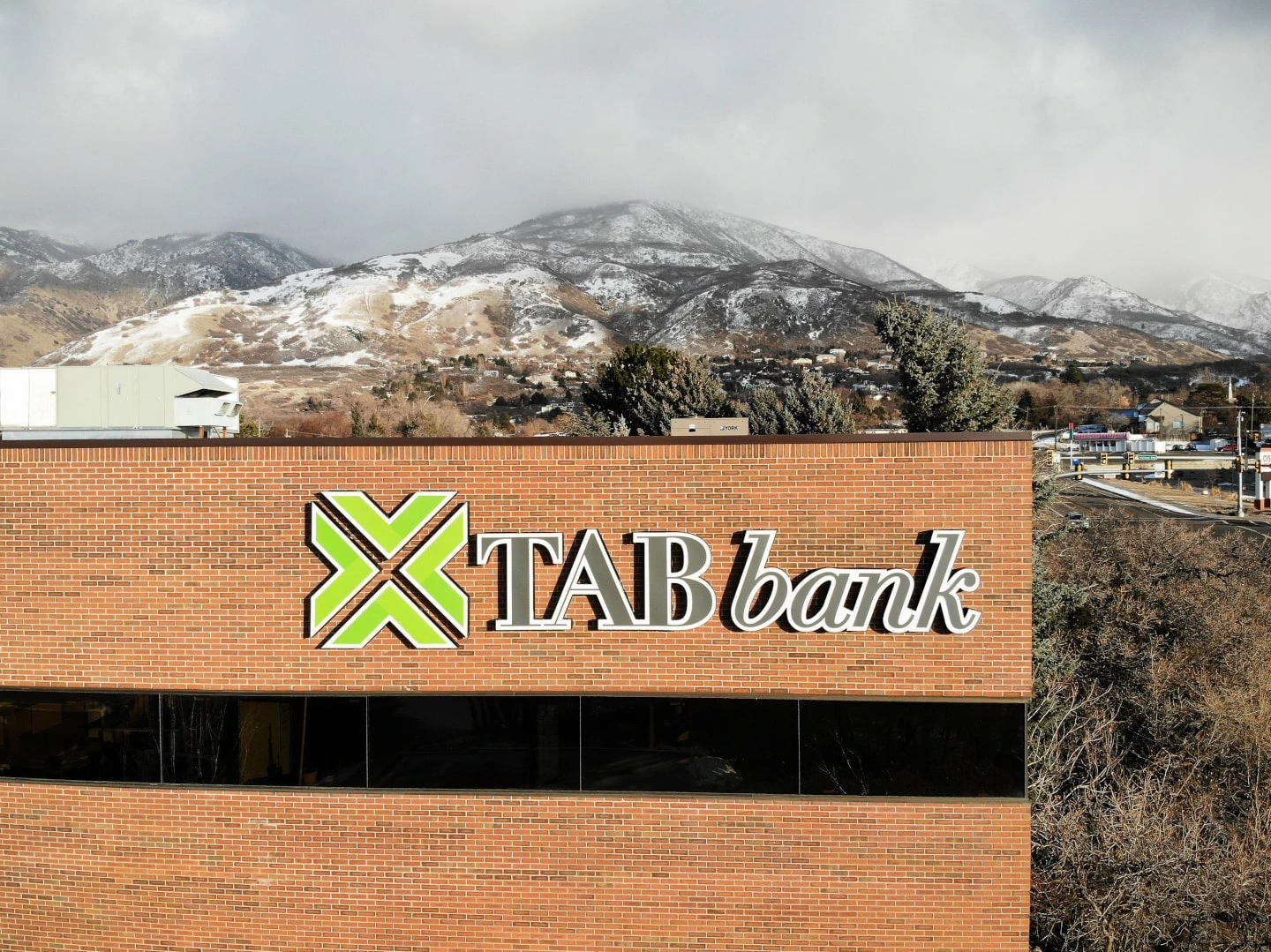
TAB Bank operates as an online-only bank but shares many of the customer-focused values found in community banking. With intuitive digital tools, a user-friendly mobile app, and responsive human support, TAB makes it easy for customers to manage their finances from anywhere. This blend of nationwide reach and relationship-minded service reflects the spirit of community banking in a modern, digital format.
In 2025, TAB Bank was named the Best Community Bank in the Utah Best of State Awards for the third consecutive year. Read more here.
Pros and Cons of Community Banks
Pros
- Personalized customer service tailored to individual needs
- Strong community focus and reinvestment
- More flexible decision-making in lending and account support
- Support for local businesses and economic development
Cons
- Smaller branch and ATM networks
- Limited global banking services
- Limited budget for early adoption of new technology
Modern digital-forward community banks or online banks with community values, like TAB Bank, help bridge some of these limitations by offering strong digital tools alongside relationship-based service.
Services and Products Typically Offered by Community Banks
Community banks emphasize financial products that support individuals, families, and especially small businesses within their local area. Common offerings include:
Standard Banking Services
- Checking accounts
- Savings accounts
- Certificates of deposit (CDs)
- Debit cards
Loans and Credit
- Small business loans
- Mortgages
- Personal loans
- Lines of credit
Business Support
Community banks frequently partner with local businesses, offering financing options designed for regional industries and local economic needs.
Digital Services
While some community banks have limited digital capabilities, many (including TAB Bank) offer robust online and mobile banking tools such as:
- Mobile check deposit
- Online bill pay
- Spending controls through the My Cards Hub
- Digital account access through intuitive apps
How to Choose the Right Community Bank for You
Assess Your Needs
Start by evaluating whether you need personal banking, business banking, or both. Consider how often you need in-person support versus online access.
Evaluate Local Focus
A true community bank reinvests in local businesses, supports community programs, and understands the regional economy. Look for a bank that aligns with your values and local needs.
Check Financial Stability
Ensure the bank is FDIC-insured, financially sound, and transparent about its policies and security measures.
Consider Digital Options
If you prefer digital convenience, look for community banks or online banks that offer strong mobile and online banking capabilities. TAB Bank, for example, is a digital-first institution with a community-oriented mindset, offering tools that support customers wherever they are.
Compare Fees and Rates
Be sure to review:
- Account fees
- ATM policies
- Loan rates
- Digital access fees (if any)
Choose a bank whose fee structure matches your expectations and usage.
Conclusion
Community banks offer a unique, relationship-driven approach to financial services, prioritizing local needs and investing directly within the communities they serve. Their strengths include personalized support, flexible decision-making, and a strong commitment to local economic development. While they may have fewer branches and more limited global services than large national institutions, their community-focused model provides meaningful value for many customers.
TAB Bank reflects many of the same values found in community banking, delivering personalized support, accessible tools, and customer-focused solutions, while offering the added convenience of a fully online banking experience.
If you’re evaluating your banking options, consider what matters most to you: community support, digital access, fees, or convenience. A community-oriented banking partner can make a significant difference in your financial experience.